Play is often misunderstood. In professional settings, it’s sometimes dismissed as frivolous, indulgent or off-task. But in reality, play is one of the most powerful tools we have for creativity, trust-building and meaningful change. When used with intention, play unlocks better thinking, deeper engagement and more human outcomes — especially in strategy, consultation and impact work.
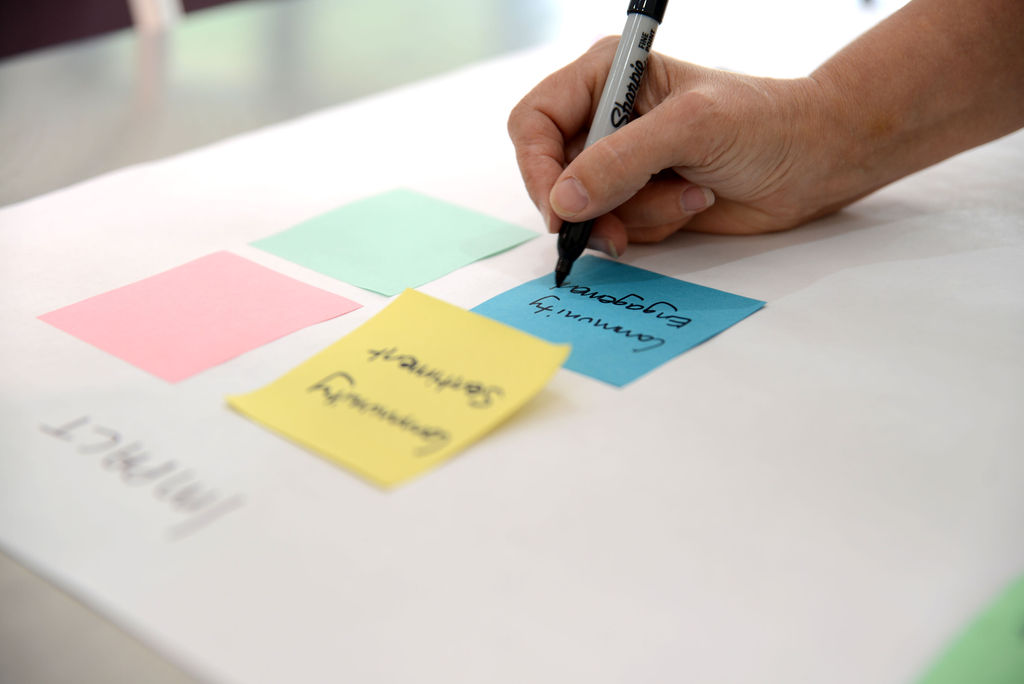
At its core, play creates psychological safety. When people feel relaxed and open, they are more willing to share ideas, challenge assumptions and explore new possibilities. In workshops and strategy sessions, playful techniques — whether visual mapping, storytelling, gentle provocation or creative exercises — help shift people out of fixed thinking and into curiosity. The result is richer insight and more honest conversations.
Play also changes how people relate to one another. Traditional meetings often reinforce hierarchy, expertise and power dynamics. Playful facilitation can gently level the field, inviting everyone to contribute regardless of title or confidence. When people are co-creating rather than presenting or defending positions, trust grows. And trust is essential when working through complex, sensitive or long-term challenges.
In consultation and community engagement, play helps people express things that are hard to articulate in words alone. Drawing, making, storytelling and participatory activities allow emotions, memories and values to surface — particularly for those who may not feel comfortable in formal consultation settings. This is especially powerful in place-based projects, where identity, pride and belonging are deeply felt but not always easily spoken.
Co-creation sits at the intersection of play and purpose. When people are invited to shape ideas together — rather than respond to something already designed — they develop a sense of ownership and connection. In arts, tourism and community projects, co-creation often becomes an outcome in its own right, strengthening relationships and building collective capability alongside tangible deliverables.
Importantly, play does not mean a lack of rigour. The most effective playful processes are carefully designed, well-facilitated and deeply intentional. They create just enough disruption to open new thinking, while remaining grounded in clear purpose and outcomes. In fact, play often leads to more robust decisions because it surfaces insights that structured, linear approaches can miss.
Joy belongs in serious work because people are not machines. We bring our whole selves — hopes, fears, creativity and lived experience — into the spaces where decisions are made. When work feels human, people engage more fully, think more generously and commit more deeply to shared goals.
Play reminds us that change doesn’t have to be heavy to be meaningful. Sometimes, the most impactful work happens when people feel free to explore, imagine and create — together.