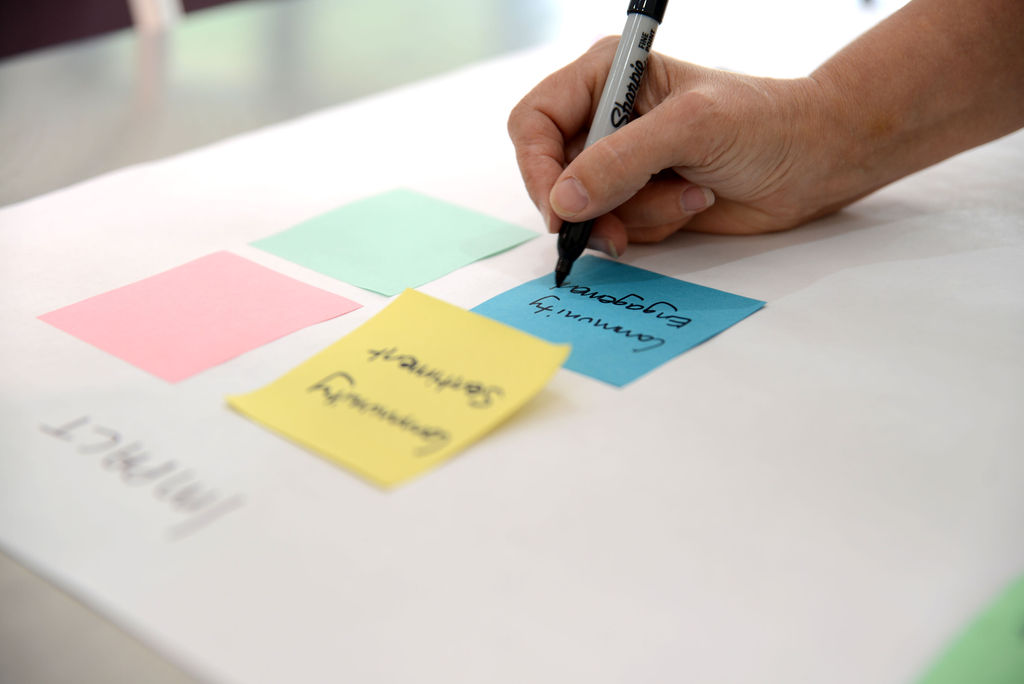
Designing for impact means starting with people — not projects, not outputs, and not reporting requirements. Too often, organisations plan around what they will do rather than what they hope will change. Human-centred design flips that thinking, helping organisations focus on outcomes that genuinely improve lives, strengthen places and create richer experiences.
At its heart, human-centred design asks a simple but powerful question: who is this for, and what really matters to them? When we begin there, strategies become more grounded, engagement becomes more meaningful, and impact becomes something people can feel — not just measure.
In tourism, this shift is particularly important. Traditional planning often focuses on visitor numbers, length of stay or infrastructure delivery. While these metrics have their place, they don’t tell us whether tourism is improving community pride, supporting local livelihoods or enhancing wellbeing. Designing for impact means listening deeply to residents, operators and visitors — and designing experiences that balance economic vitality with social and environmental care. When tourism feels good for locals, it almost always feels better for visitors too.
The arts and cultural sector offers another powerful example. Arts projects are frequently evaluated on attendance, ticket sales or reach. Human-centred impact design goes further, exploring how creative experiences foster connection, expression, belonging and reflection. Participatory art projects, for instance, often deliver their greatest impact not in the final artwork, but in the act of co-creation itself — bringing people together, giving voice to diverse perspectives and creating shared meaning.
In community-based projects, designing for impact helps organisations move beyond activity-based planning — workshops delivered, programs run, consultations completed — to understanding real change. Are people more connected? More confident? More supported? Are communities better equipped to shape their own futures? Human-centred design creates space for these questions and builds them into project logic from the start.
Importantly, impact design isn’t just about doing good — it’s also about creating better long-term value. Projects grounded in human needs are more resilient, more trusted and more likely to attract funding, partnerships and ongoing support. They reduce the risk of misalignment, disengagement and “tick-the-box” outcomes that look good on paper but fall flat in practice.
Designing for impact invites curiosity, empathy and a little play. It encourages organisations to prototype, test, listen and adapt. And it reminds us that the most meaningful outcomes often emerge when people feel seen, heard and valued.
When we design with people — not just for them — impact stops being an afterthought and becomes the foundation for lasting, meaningful change.